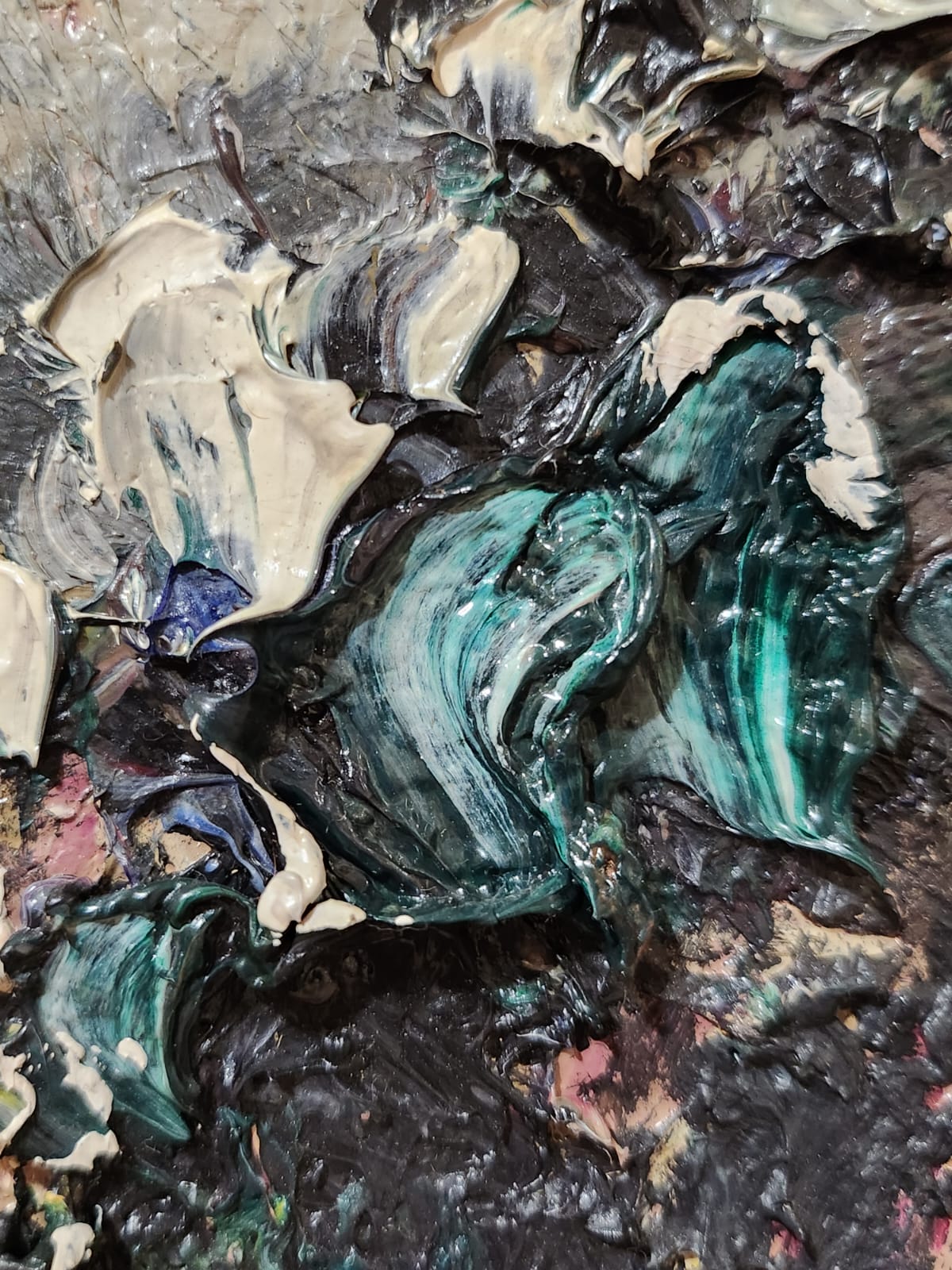
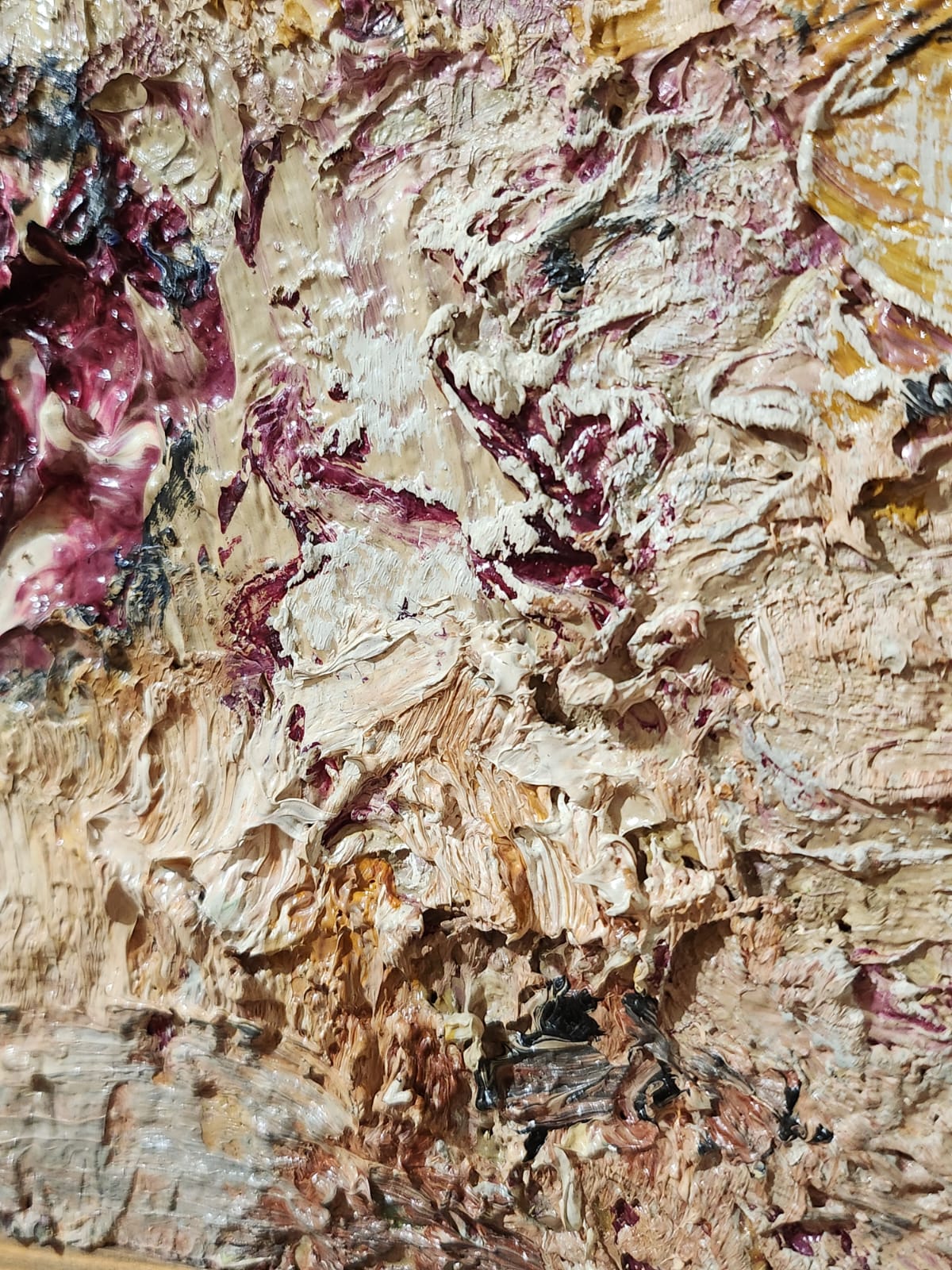
Sergio Scatizzi “Natura con uva”
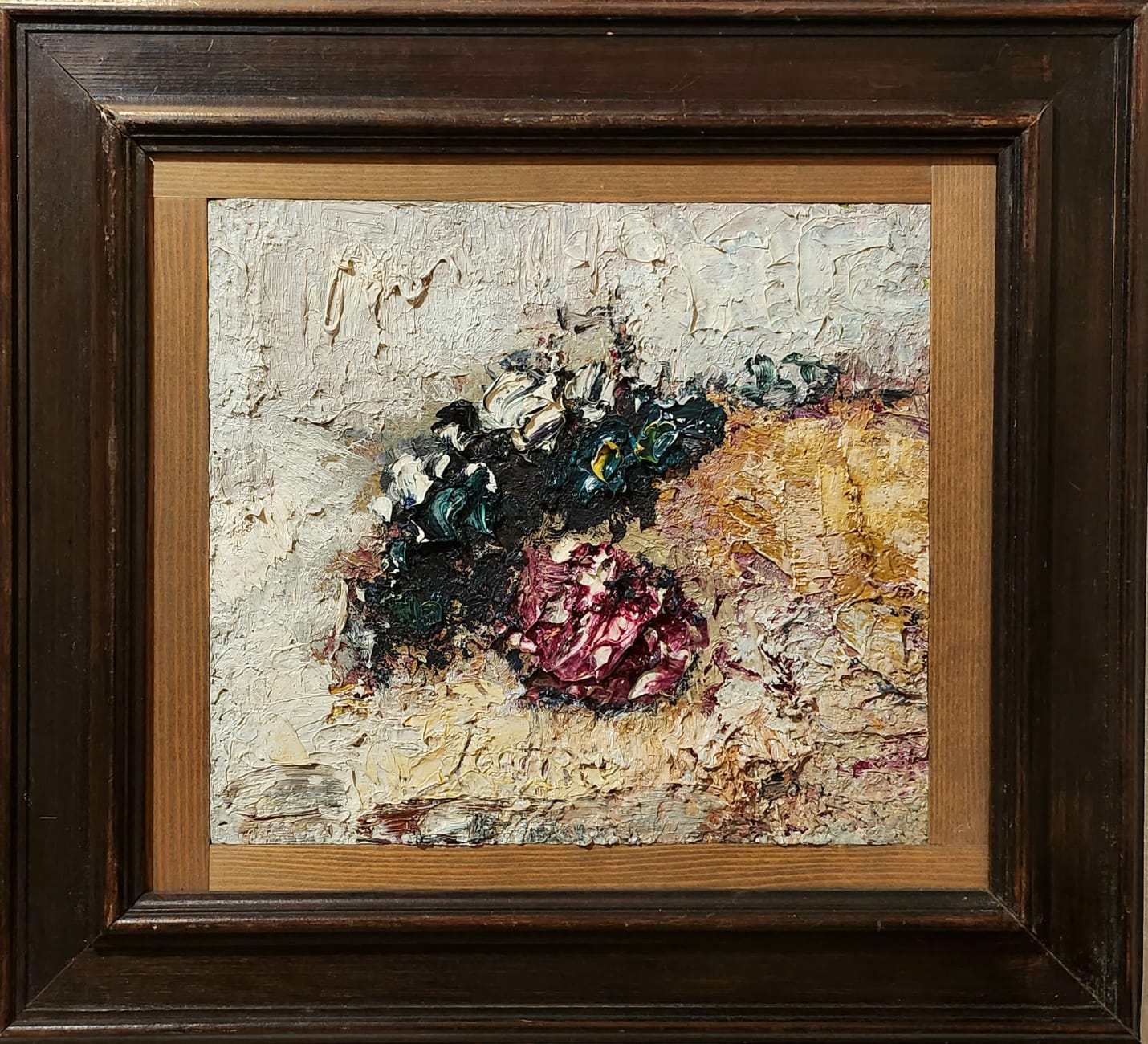
Sergio Scatizzi
“Natura con uva”
Olio su tavola
cm 29×32
1980/1981
La tradizione della natura morta ha origini antichissime, dai mosaici ellenistici del II sec. a.C. fino alle vanitas ed ai memento mori il significato principale era legato ai defunti e come monito di comportamento da tenere in vita, perché come fiori e frutti siamo destinati ad appassire.
La più celebre natura morta è la “Canestra di frutta” di Caravaggio, oggi all’Ambrosiana, dove si ritrovano rimandi al Cristo.
Dal Settecento buona parte di tutto questo simbolismo andrà pian piano perdendosi, assumendo nel mentre addirittura rimandi ammiccanti.
Come in un processo inverso vedremo fiori e frutti ritrovare turgore e lucentezza, fin quasi da poterli mangiare, basti pensare alle nature morte di Ventrone.
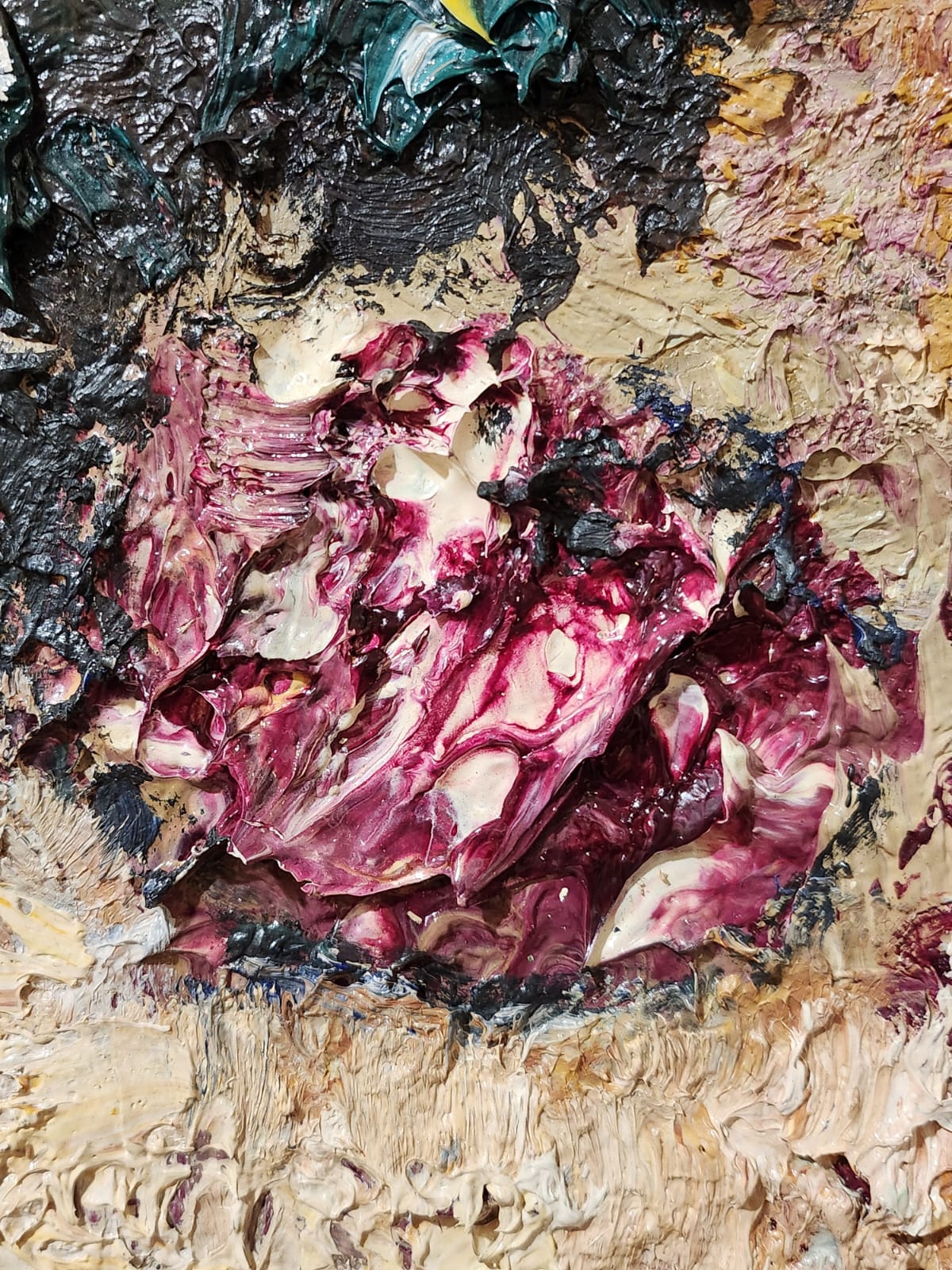
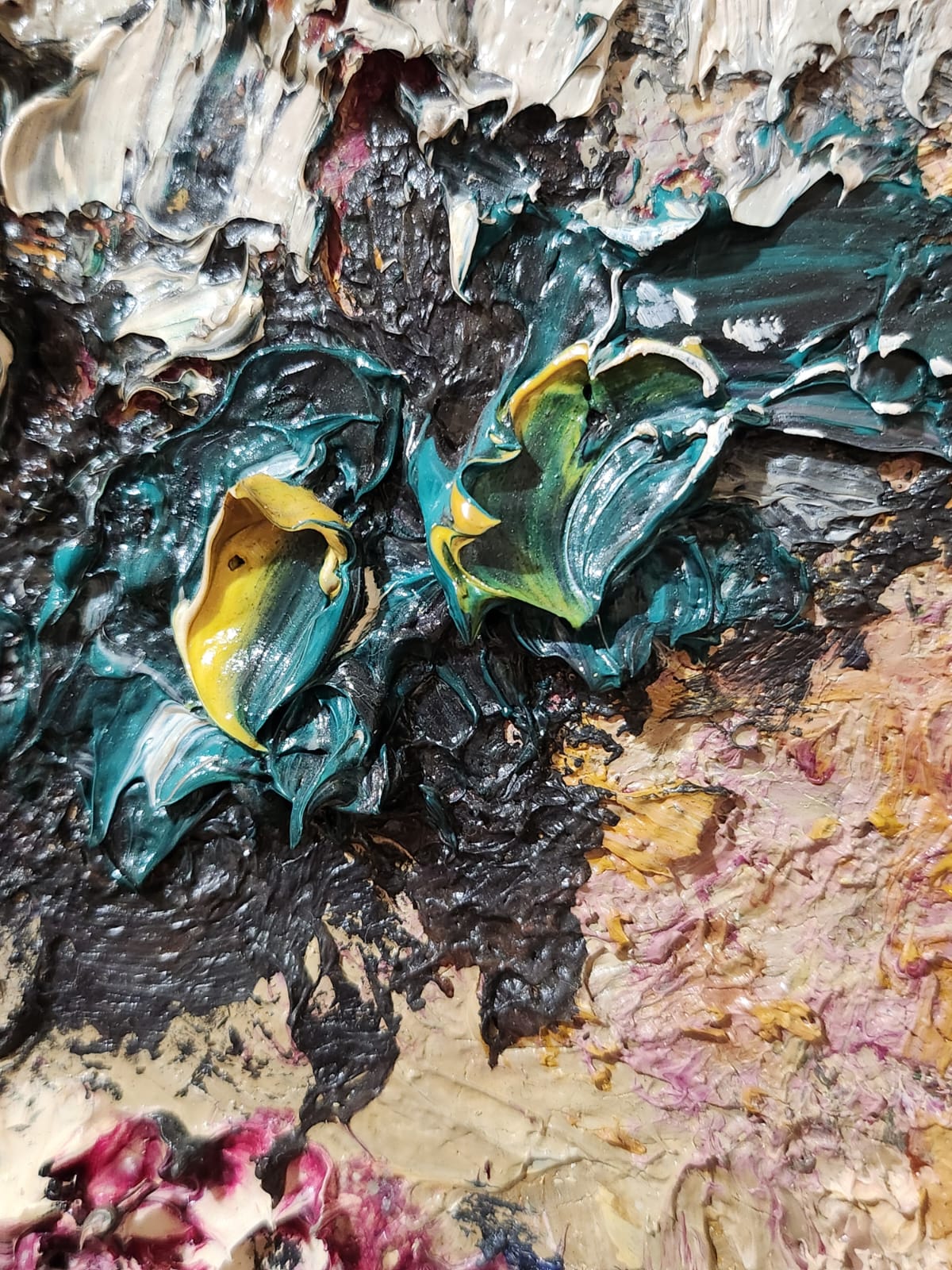
Questa natura morta di Scatizzi è infatti assolutamente viva, con quell’uva rinvigorita di una inaspettata pienezza mentre distesa sembra dare sfoggio di sé.
Tutto questo trova la chiave di lettura in quello che verrà definito nel 2009 da Giuseppe Cantelli “barocco informale” che diede titolo alla mostra di Palazzo Pitti di quell’anno.
Sergio Scatizzi
“Nature with Grapes”
Oil on board
29×32 cm
1980/1981
The tradition of still life painting has ancient origins, from the Hellenistic mosaics of the 2nd century BC to the vanitas and memento mori paintings, whose main meaning was linked to the deceased and served as a warning about how to behave in life, because like flowers and fruits, we are destined to wither.
The most famous still life is Caravaggio’s ‘Fruit Basket’, now in the Ambrosiana, where references to Christ can be found.
From the 18th century onwards, much of this symbolism was gradually lost, taking on even suggestive references.
As in a reverse process, we will see flowers and fruits regain their turgidity and shine, almost to the point of being edible, as in Ventrone’s still lifes.
This still life by Scatizzi is in fact absolutely alive, with grapes reinvigorated by an unexpected fullness as they lie spread out, seemingly showing off.
The key to understanding all this can be found in what Giuseppe Cantelli defined in 2009 as “informal baroque”, which gave its name to the exhibition at Palazzo Pitti that year.
Commenti recenti